Homesale
affordable smart homes, connected homes, digital lifestyle homes, energy-efficient smart homes, future-ready homes, home automation, home tech trends, home tech upgrades, innovative home features, modern connected living, modern home tech, remote control homes, smart home design ideas, smart home living, smart homes for families, smart housing features, smart security systems, smart thermostats, tech-friendly houses, tech-integrated homes, tech-ready homes USA, technology-enabled living, USA smart home market, voice-activated homes, wired homes
Admin
0 Comments
Smart Moves: Tech-Ready Homes Available Now In The USA
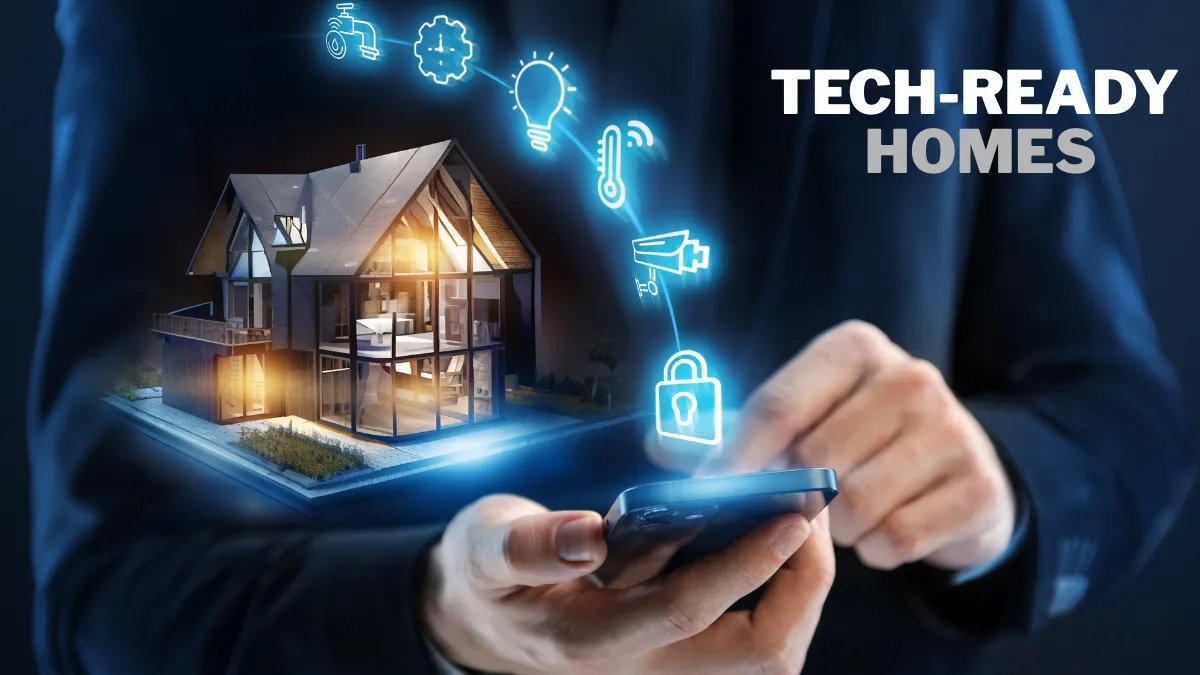
As technology becomes more deeply woven into the fabric of everyday life, the demand for homes that are “smart-ready” continues to surge across the United States. Gone are the days when tech features in a home were limited to basic security systems or a fast Wi-Fi connection. Today, tech-ready homes are designed with integrated systems that make living more efficient, secure, and convenient.
From climate control and lighting to voice-activated assistants and energy management, these homes are not just residences—they’re connected ecosystems. Whether you’re a remote worker, a busy family, or simply someone who values convenience, tech-ready homes provide a future-forward lifestyle that meets modern demands.
What Is a Tech-Ready Home?
A tech-ready home is a property equipped with the infrastructure and features that allow smart devices to function seamlessly. This doesn’t necessarily mean it comes with every device installed, but rather that it’s built to support smart living. It includes wiring, layouts, and control systems designed to integrate with connected technology.
Common components of a tech-ready home include:
- Pre-installed wiring or wireless systems to support high-speed internet
- Smart thermostats, lighting, and locks
- Energy-efficient appliances with smart controls
- Central control hubs for device management
- Outlets with USB ports or charging docks
- Video doorbells and smart security systems
- Compatibility with voice control systems
These features not only improve comfort but also boost the long-term value and appeal of a property.
Why Tech-Ready Homes Are in Demand
The modern American lifestyle increasingly revolves around convenience, automation, and connectivity. Tech-ready homes appeal to those who want more control over their environment, along with added safety and efficiency.
Some key reasons why buyers and renters are seeking these homes include:
- Energy Efficiency: Smart thermostats, lighting, and appliances help reduce utility bills.
- Remote Control: Manage home settings from a smartphone or tablet—even while away.
- Security: Smart locks, cameras, and alarm systems enhance home protection.
- Entertainment Integration: Built-in systems for speakers, streaming, and gaming.
- Future-Proofing: As more smart devices become standard, tech-ready infrastructure ensures your home stays relevant.
- Health & Wellness: Some homes offer air quality monitors, smart lighting to match circadian rhythms, and touchless tech for hygiene.
Types of Tech-Ready Homes Across the USA
Tech integration is no longer limited to luxury real estate. From urban apartments to suburban single-family homes, tech-readiness is becoming a standard feature in many segments of the housing market.
1. Urban Smart Apartments
Often located in metro areas, these compact but efficient homes cater to young professionals and digital nomads. Integrated Wi-Fi, app-controlled appliances, and secure package delivery systems are common features.
2. Suburban Single-Family Homes
These homes offer larger layouts but still prioritize convenience. Smart lighting, garage access, and security systems offer peace of mind and functionality for growing families.
3. New Developments
Newly constructed homes are being built with tech-readiness as a core feature. Builders are including structured cabling, high-speed internet ports, and smart system compatibility from the ground up.
4. Renovated Traditional Homes
Many older homes are being upgraded to meet today’s tech standards. With thoughtful retrofitting, even a 1950s home can become a connected haven.
Tech Features That Enhance Lifestyle
Smart homes go beyond cool gadgets. They offer a real impact on how you live, manage your day, and care for your property. Here are some transformative features:
- Smart Climate Control: Adjust heating and cooling from anywhere; learn your patterns to optimize energy use.
- Automated Lighting: Create ambiance, improve security, and reduce costs with scheduled lighting systems.
- Remote Door Access: Lock or unlock your doors remotely for guests or deliveries.
- Voice Activation: Operate lights, appliances, and systems hands-free.
- Real-Time Monitoring: Keep an eye on your home through integrated cameras and sensors.
Who Benefits Most from Tech-Ready Homes?
1. Professionals Working Remotely
With reliable internet, smart lighting, and soundproofing tech, these homes support productivity.
2. Families with Children
Parental controls, door and window sensors, and smart intercoms make homes safer and more interactive.
3. Seniors and Retirees
Voice commands, fall detection systems, and health monitors offer independence and safety.
4. Frequent Travelers
Smart security systems and remote monitoring ensure peace of mind while away.
Considerations Before Choosing a Tech-Ready Home
While tech-ready homes offer numerous advantages, it’s important to consider the following:
- Compatibility: Ensure systems are flexible enough to work with the devices you prefer.
- Internet Reliability: A strong internet connection is the backbone of any smart system.
- Privacy and Data Security: Understand how your devices collect and manage data.
- Maintenance: Some smart systems may need occasional updates or support.
- Scalability: Choose homes that allow you to expand or upgrade as tech evolves.
Enhancing Traditional Homes with Smart Features
If you’re not ready to move but want to modernize your space, you can start small:
- Install a smart thermostat
- Add voice-activated assistants
- Use smart plugs for lights and appliances
- Upgrade to smart security cameras
- Introduce motion-sensor lighting in key areas
Over time, you can build a fully connected home with tools tailored to your needs.
FAQs
Q1: What makes a home “tech-ready”?
A tech-ready home has the infrastructure—such as wiring, ports, and design—required to support smart systems and devices.
Q2: Can smart features be added to any home?
Yes. Most homes can be upgraded with smart devices, though older homes may require minor electrical work or signal boosters.
Q3: Are tech-ready homes more expensive?
They may have slightly higher upfront costs, but they often save money long-term through energy efficiency and reduced maintenance.
Q4: How do tech features impact resale value?
Homes with smart features are increasingly attractive to buyers and can increase resale value and appeal.
Q5: Is there a risk of these devices becoming outdated?
Technology does evolve, but choosing homes with open platforms or scalable systems ensures they stay current longer.
Final Thoughts
Tech-ready homes are no longer a vision of the distant future—they’re part of today’s reality. With thoughtful design, built-in systems, and flexible infrastructure, these homes make life smoother, smarter, and more secure.
Whether you’re buying a new home, renting, or renovating, making a smart move into tech-enhanced living isn’t just trendy—it’s transformative. Embrace the digital age and let your home work for you.