Homesale
best floor plans, best home features, best homes to live in, comfort-first homes, cozy modern homes, easy living properties, emotional home value, energy efficient homes, everyday living homes, flexible home spaces, home comfort trends, home design for families, investment in comfort, livable homes USA, natural light homes, organized home design, peaceful living homes, practical house design, practical luxury homes, quiet residential homes, smart home flow, smart layout homes, spacious homes USA, USA home comfort, wellness home features
Admin
0 Comments
Invest In Comfort: Discover America’s Most Livable Homes
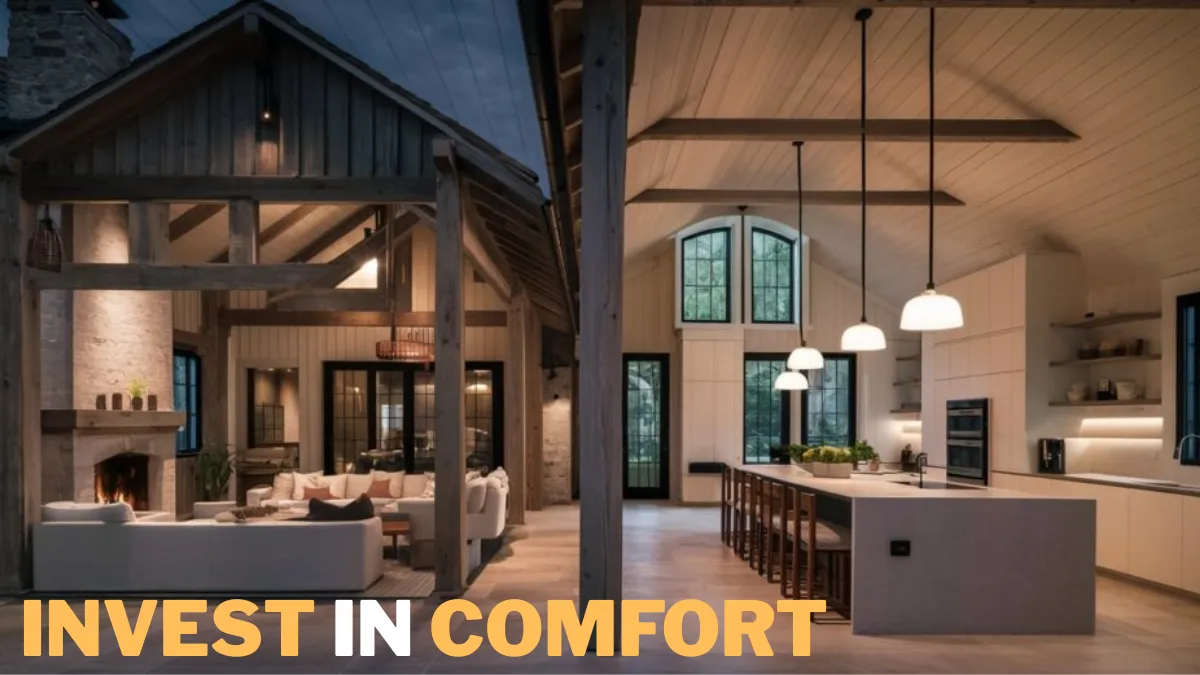
When it comes to choosing the perfect place to call home, comfort is king. More than just bricks and beams, a truly livable home is one that caters to your daily needs, promotes well-being, and enhances your overall quality of life. Across the United States, there are countless homes designed not just to impress, but to support comfort-driven living—spaces where functionality meets warmth, and style harmonizes with ease.
Whether you’re a growing family, a busy professional, a retiree, or a first-time buyer, the idea of “livable luxury” is more relevant than ever. Investing in a home that puts comfort first isn’t a luxury—it’s a smart decision for long-term happiness and everyday satisfaction.
What Makes a Home Truly Livable?
A livable home is one that makes everyday life easier, smoother, and more enjoyable. It reflects a deep understanding of how people actually live—embracing efficient layouts, intuitive features, and practical design without sacrificing beauty.
Key Attributes of Livable Homes:
- Efficient Floor Plans: Spaces that flow logically, offering both open social areas and private nooks.
- Functional Storage: Closets, cabinets, pantries, and built-ins that minimize clutter.
- Natural Light: Large windows and thoughtful positioning for bright, uplifting interiors.
- Thermal Comfort: Insulation, proper ventilation, and climate control systems for year-round comfort.
- Acoustic Comfort: Soundproofing, smart layouts, and quiet zones to reduce noise and stress.
- Accessibility: Wide hallways, step-free entryways, and universal design features for every life stage.
Livability also includes location-based factors such as safety, walkability, and access to essential services like schools, parks, healthcare, and shopping.
Design Elements That Prioritize Comfort
Livable homes may differ in size, style, or geography, but they all incorporate design choices that foster ease and enjoyment. Here are some of the most common comfort-focused features found in today’s most desirable U.S. homes:
- Open-Plan Living: Combining kitchens, dining, and family spaces for a natural flow.
- Outdoor Extensions: Decks, patios, or porches that invite you to relax outside.
- Smart Kitchen Layouts: Islands, ergonomic appliances, and storage that improves cooking efficiency.
- Peaceful Bedrooms: Located away from noisy zones, with calming color palettes and proper ventilation.
- Multi-Use Rooms: Flexible spaces that serve as offices, playrooms, guest rooms, or workout zones.
- Laundry Rooms and Mudrooms: Practical add-ons that simplify daily routines.
Regions in the U.S. Known for Livable Homes
Livable homes are not limited to any single region—they can be found in bustling cities, tranquil suburbs, or scenic rural landscapes. However, certain areas in the U.S. consistently rank high for their blend of comfort, affordability, and lifestyle appeal.
1. Pacific Northwest
Known for its eco-conscious architecture, light-filled interiors, and connection to nature.
2. Midwest Suburbs
Affordable, spacious homes with family-friendly layouts and strong neighborhood vibes.
3. Southern States
Porch living, open floor plans, and gracious hospitality create laid-back, livable environments.
4. Mountain West
Combining rustic charm with modern convenience, homes here emphasize peace and outdoor access.
5. Northeast Towns
Historic homes meet practical upgrades, balancing charm and livability.
The Livability Checklist for Homebuyers
When searching for a comfort-focused home, it helps to use a livability checklist. These are not just physical features, but also emotional and functional aspects that shape how a home feels to live in:
- Is the layout intuitive and spacious?
- Are rooms filled with natural light?
- Is there ample storage throughout the home?
- Is the home quiet and peaceful?
- Does it allow for both privacy and social connection?
- Is it adaptable for future needs (aging, growing family, remote work)?
- Does it feel welcoming, clean, and safe?
Livable homes are often described as places that “just feel right”—a subtle harmony between design and daily life.
Who Should Consider Investing in Livable Homes?
Everyone. Comfort is a universal need, and homes that prioritize it benefit all demographics:
| Homebuyer Type | Why Livable Homes Matter |
|---|---|
| First-Time Buyers | Start with smart layouts and functional spaces |
| Growing Families | Need room to expand and adapt to changing routines |
| Retirees | Seek ease of movement, accessibility, and low maintenance |
| Remote Workers | Require peaceful zones and home office potential |
| Investors | Livable homes retain demand and resale value |
Trends in Comfortable Living
Modern buyers are increasingly looking for homes that are not only attractive but also support well-being. Here are the top trends shaping the future of livable homes:
- Biophilic Design: Incorporating natural elements like indoor plants, wood textures, and natural light.
- Energy Efficiency: Homes that stay comfortable year-round while minimizing environmental impact.
- Home Wellness Features: Air purifiers, water filtration, and spaces for meditation or exercise.
- Quiet Zones: Sound-dampening designs and separated rooms for privacy and rest.
- Adaptability: Furniture and spaces that can evolve with changing needs.
Why Comfort Is a Smart Investment
While luxury features may attract attention, comfort features are what make people stay. A livable home encourages better sleep, lower stress, more productivity, and healthier living—all of which contribute to long-term happiness.
Benefits of Investing in Comfort:
- Increased satisfaction and quality of life
- Long-lasting appeal for future resale
- Cost savings through energy and space efficiency
- Flexible spaces that evolve with your lifestyle
- A stronger emotional connection to your home
Ultimately, comfort adds value you can feel every day.
Final Thoughts
America’s most livable homes aren’t just about square footage or flashy features—they’re about supporting the way you live. They embrace warmth, ease, and intuitive design, providing a space where life flows naturally. If you’re looking to make a home purchase that enhances both comfort and long-term value, these residences are worth the investment.
In a world filled with distractions and demands, your home should be the place where everything simply works—and where you can truly breathe, rest, and recharge. Because you’re not just buying a property. You’re investing in your lifestyle, your comfort, and your peace of mind.
FAQs
Q1: Are livable homes only found in suburban areas?
No, livable homes exist in cities, towns, and rural areas. It depends on layout, design, and the needs of the resident.
Q2: What’s the difference between luxury and livability?
Luxury often focuses on high-end materials and prestige. Livability prioritizes functionality, comfort, and ease of everyday living.
Q3: Do livable homes cost more?
Not necessarily. Many well-designed homes offer comfort at every price point. It’s more about smart use of space than scale.
Q4: Can an older home be made more livable?
Yes. With updates like open layouts, better insulation, storage solutions, and wellness features, older homes can become highly livable.
Q5: What should I look for during a home tour to assess comfort?
Pay attention to flow, lighting, room separation, storage, acoustics, and how the home makes you feel as you move through it.