Homesale
big city housing, city living homes, cozy small town homes, downtown condos, family lifestyle homes, family-friendly homes, homes for every lifestyle, homes for remote workers, homes with charm, homes with personality, lifestyle matching homes, lifestyle-based housing, modern home options, modern suburban homes, peaceful home settings, quiet neighborhoods, retirement homes, rural homes, small-town living, starter homes USA, suburban comfort, suburban housing, urban homes USA, USA homes
Admin
0 Comments
Small-Town Charm To Big-City Buzz: Homes For Every Lifestyle
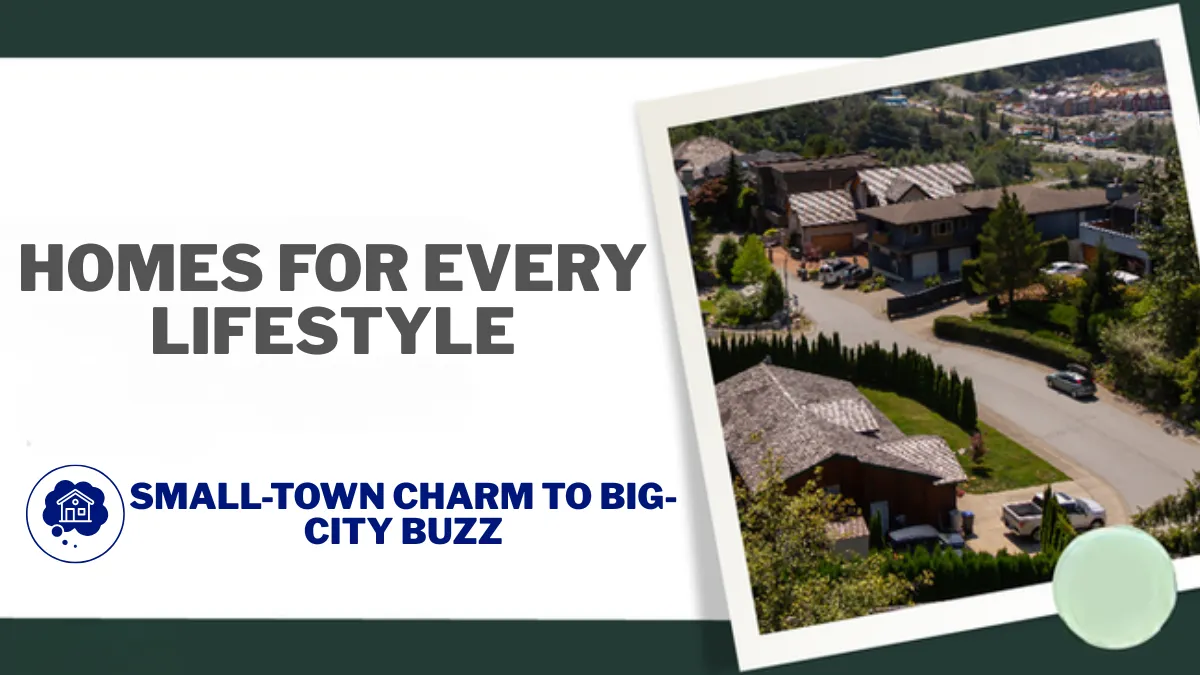
Whether you’re drawn to the warm familiarity of a small town or the non-stop excitement of a big city, the United States offers homes to match every lifestyle and personality. Your ideal living space isn’t just about the number of rooms or the view out the window—it’s a reflection of how you want to live each day. From quiet streets lined with picket fences to towering condos in the heart of vibrant downtowns, there’s a home for everyone—from slow-paced dreamers to high-energy professionals.
Today’s homebuyers are looking for more than just a roof over their heads—they want a space that aligns with their values, goals, and preferred way of living. Whether you seek peace, connection, adventure, or growth, the U.S. housing landscape has something tailored for you.
Small-Town Living: Peaceful, Predictable, and Personal
For those seeking a slower rhythm, small-town living offers plenty of appeal. Picture quiet streets, neighbors who know your name, weekend farmer’s markets, and a tight-knit community where life moves at a thoughtful pace.
Key Benefits of Small-Town Living:
- Lower Cost of Living: In many small towns, housing is more affordable, allowing families to buy more space for less money.
- Tight-Knit Community: People tend to know their neighbors and look out for one another.
- Less Traffic and Noise: You’ll enjoy cleaner air, more green space, and peaceful surroundings.
- Local Culture and Traditions: Small towns often preserve local heritage and traditions, making community events more personal and meaningful.
- Safety and Security: Lower crime rates are a common factor that appeals to families and retirees alike.
These homes often include cozy porches, open land, detached garages, and traditional designs. They’re ideal for those seeking serenity, room to grow gardens, and the chance to enjoy simpler pleasures.
Big-City Living: Energy, Opportunity, and Convenience
On the opposite side of the spectrum lies big-city life, perfect for individuals who crave excitement, career opportunities, entertainment, and access to everything right outside their door.
Key Benefits of Big-City Living:
- Career Opportunities: Major cities host thriving industries, start-ups, and corporate headquarters that attract professionals.
- Diverse Amenities: From world-class dining to cultural experiences and nightlife, cities offer access to all the best amenities.
- Public Transportation: No need to drive—buses, subways, and bike lanes make getting around easy.
- Walkability: Everything from grocery stores to gyms is within walking distance.
- Diversity and Culture: Cities often feature a rich mix of cultures, languages, and communities, giving residents access to a world of experiences.
Urban homes can range from luxury high-rise apartments to lofts in converted warehouses or compact condos with stunning skyline views. These homes are designed for those who thrive on movement, access, and the electric buzz of city life.
Suburban Comfort: The Best of Both Worlds
Not quite rural, not fully urban—suburbs offer a unique middle ground. These areas are especially popular with growing families and professionals who want proximity to the city with the calm of residential life.
Why Suburbs Appeal:
- Spacious Homes: More square footage and outdoor space than city apartments.
- School Districts: Suburbs often host highly rated public and private schools.
- Balance: Suburban homes allow for work-life balance—commuting to the city during the day, retreating to a peaceful neighborhood at night.
- Community Activities: Parks, recreational leagues, family festivals, and organized events are common.
These homes tend to be newer builds with modern layouts, multi-car garages, and flexible spaces for offices, nurseries, or home gyms.
Tailoring Homes to Your Lifestyle
Choosing the right location and style of home depends on more than geography—it’s about aligning your environment with your lifestyle priorities.
| Lifestyle | Best Fit |
|---|---|
| Remote Worker | Suburban homes with office space |
| Young Professional | City condo close to downtown |
| Retiree | Small-town bungalow with single-level living |
| Nature Lover | Rural home with land and outdoor access |
| Busy Family | Suburban home with nearby schools |
| Artist or Creative | Urban loft or small-town retreat |
| Frequent Traveler | City apartment near airport or transit |
Ask yourself: Do you want convenience or space? Privacy or access? Quiet nights or city lights? The answer will help shape your home search.
What to Consider Before Choosing
- Commute: How far are you willing to travel to work or school?
- Lifestyle Amenities: Do you want walkable shops, restaurants, and theaters—or space for a garden and nature hikes?
- Community Vibe: Do you prefer anonymity or familiarity?
- Home Type: Would you rather a compact condo, a sprawling single-family house, or something in between?
- Growth Potential: Think long-term—does this home support your future needs?
Final Thoughts
No matter your personality, career, or family structure, there’s a place in the U.S. that can feel like home. Whether you choose a peaceful small town where everyone waves hello or a bustling city where every street has a story, what matters most is how your home supports the life you want to lead.
Your home should be your sanctuary, your inspiration, your launchpad. So take the time to find one that matches your rhythm, values, and dreams. Because when your home fits your lifestyle, every day feels like the right place to be.
FAQs
Q1: What is the main difference between small-town and city living?
Small towns offer peace, affordability, and community closeness, while cities provide energy, convenience, and career access.
Q2: Are small-town homes more affordable?
Yes, in general, homes in smaller towns cost less per square foot than urban properties.
Q3: What are the benefits of suburban living?
Suburbs offer more space, good schools, and proximity to city jobs while still maintaining a quiet environment.
Q4: How do I know which lifestyle suits me best?
Consider your daily habits, family needs, work demands, and what brings you joy—then match that with the right setting.
Q5: Can I find luxury homes in both rural and urban settings?
Absolutely. Luxury isn’t limited to cities—many small towns and rural areas feature upscale homes with unique character and amenities.