Homesale
classic family homes, community-focused housing, cozy American homes, family lifestyle homes, family-friendly homes, family-friendly real estate, home with multiple bedrooms, homes for growing families, homes near schools, homes with backyards, homes with play areas, kid-friendly home features, lifestyle-friendly homes, modern family houses, open floor plan homes, parenting and housing, practical family houses, quiet family living, residential neighborhoods, safe neighborhoods, space for children, spacious homes USA, starter family home, suburban houses, USA family homes
Admin
0 Comments
Where Memories Begin: Family-Friendly Homes In The U.S.
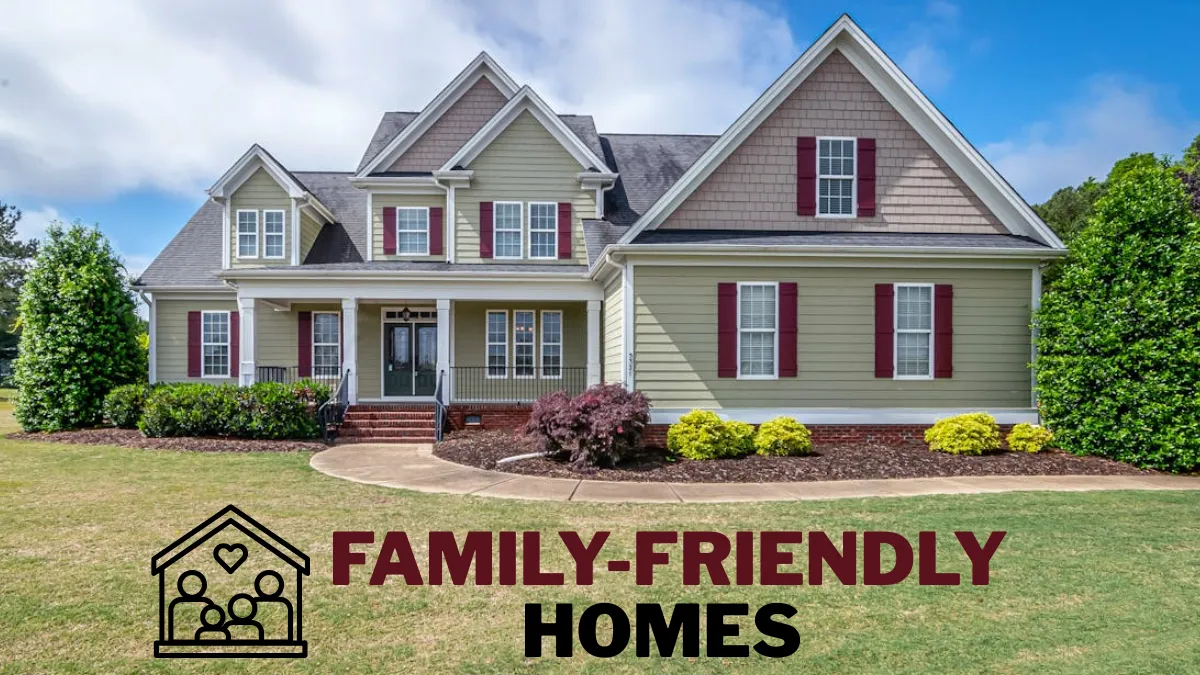
A house becomes a home the moment laughter echoes through its walls, children run through its halls, and milestones are celebrated in its spaces. For many families, finding the right home is about more than square footage or curb appeal—it’s about finding a place where memories can truly begin. In the United States, family-friendly homes are designed with this purpose in mind: offering safety, space, comfort, and a foundation for a growing, thriving household.
From quiet suburbs to small towns and growing cities, the U.S. offers a wide variety of homes suited for families of all shapes and sizes. Whether you’re just starting out, expanding your family, or relocating to a better school district, the perfect home can be the cornerstone of a new chapter filled with warmth, love, and togetherness.
What Defines a Family-Friendly Home?
A family-friendly home isn’t just about having multiple bedrooms or a big backyard. It’s a thoughtfully designed space that supports everyday life, promotes safety, and fosters meaningful connections. Here are some key features commonly found in family-friendly homes:
- Multiple Bedrooms: Separate sleeping areas for parents and children, with room for future growth.
- Open Layout: Family rooms connected to kitchens or dining areas encourage shared time and easy supervision.
- Outdoor Spaces: Yards, patios, and porches offer a safe space for play, barbecues, and fresh air.
- Ample Storage: Closets, cabinets, and garage space for toys, clothes, sports equipment, and seasonal items.
- Safety Features: Gated staircases, child-safe outlets, and secure entrances provide peace of mind.
- Proximity to Schools and Parks: A short walk or drive to good schools, green spaces, and playgrounds enhances everyday convenience.
- Neighborhood Environment: Safe streets, friendly neighbors, and a family-oriented community add to the home’s overall appeal.
Why Family-Friendly Homes Matter
The layout and location of your home can shape your family’s daily life. A well-suited home can ease routines, reduce stress, and encourage bonding. Here’s how:
- Time Together: Open layouts allow families to cook, dine, and relax in shared spaces without feeling crowded.
- Health and Play: Access to yards, trails, or parks promotes physical activity and outdoor fun for kids.
- Better Sleep and Privacy: Well-separated rooms allow both children and parents to enjoy rest and quiet.
- Organization and Cleanliness: Built-in storage keeps clutter at bay, especially important in households with young children.
- Academic Support: A designated study or homework space helps kids focus and succeed.
A family home is the setting for so many moments: first steps, bedtime stories, birthday parties, and holiday traditions. The right home supports all these experiences and more.
Popular Types of Family-Friendly Homes
Across the U.S., family-friendly homes take many shapes. Here are a few popular styles:
1. Suburban Single-Family Homes
These homes often come with larger yards, garages, and plenty of bedrooms. Located in quiet neighborhoods with good schools and playgrounds nearby, they are ideal for families.
2. Townhomes
For those seeking low maintenance but still wanting multi-level space, townhomes offer a balance between condo living and a traditional house.
3. Ranch-Style Homes
These one-level homes are especially convenient for families with very young children or older members who prefer to avoid stairs.
4. Modern Farmhouses
A mix of classic design and modern amenities, these homes often have wide front porches, large kitchens, and open family spaces.
5. Homes in Master-Planned Communities
These neighborhoods often include shared amenities like pools, walking trails, and community centers perfect for family activities.
Choosing the Right Family Home
When searching for a family-friendly home, it’s important to consider more than the property itself. Think about the surrounding environment, community, and long-term plans:
- School District Ratings: Access to quality education is a top priority for many families.
- Commute Time: A shorter commute allows more time spent with loved ones.
- Community Vibe: Look for areas with other families, events, and a welcoming feel.
- Future Flexibility: Choose a home that can grow with you—extra rooms, flexible spaces, or expansion potential.
Making a House Feel Like Home
Once you’ve found the right house, making it feel like a true family home is all about the little touches. Here are some ways to add warmth and personality:
- Display Family Photos
- Create a Kid-Friendly Zone
- Build a Cozy Reading Nook
- Use Chalkboards or Bulletin Boards for Schedules
- Incorporate Soft Lighting and Calming Colors
A family home should reflect your lifestyle, routines, and dreams—crafted not just with bricks, but with love.
FAQs
Q1: What should families prioritize when house hunting?
Look for safety, location, school quality, and home layout. Features like fenced yards and nearby parks are also helpful.
Q2: How many bedrooms are ideal for a family home?
At least three bedrooms is common—one for parents and one for each child or siblings to share, with space to grow if needed.
Q3: Are older homes suitable for families?
Yes, many older homes offer great character and space. Just ensure safety updates (like electrical and plumbing) have been made.
Q4: How do I make a home safer for small children?
Add outlet covers, secure heavy furniture, install safety gates, and use cabinet locks in kitchens and bathrooms.
Q5: How can I involve kids in making a house feel like home?
Let them help decorate their room, pick out paint colors, or choose spots for family photos and artwork.
Final Thoughts
A family-friendly home is much more than a roof over your head—it’s the backdrop to your life’s most meaningful memories. It’s where kids grow up, where milestones are shared, and where comfort lives in every corner.
Choosing the right space means selecting a place where love, laughter, and life unfold naturally. Whether you’re in a cozy ranch, a bustling townhome, or a spacious suburban retreat, the most important ingredient is the family who lives there.
So when you’re ready to take the next step, remember: you’re not just buying a house—you’re building a future.